
Peripheral Vascular Care
Minimally invasive treatment planning for peripheral artery blockages.
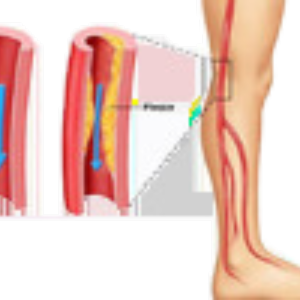
Peripheral arterial disease happens when narrowed arteries reduce blood flow to the legs or other parts of the body. It often shares risk factors with heart disease, including diabetes, smoking, high blood pressure and high cholesterol.
Symptoms that may need evaluation
- Leg pain or cramping while walking that improves with rest.
- Coldness, numbness or weakness in the leg or foot.
- Slow-healing wounds or ulcers.
- Known heart disease with new leg circulation symptoms.
Treatment approach
Care may include vascular risk assessment, imaging, medicines, walking and risk-factor programs, and peripheral endovascular interventions when clinically appropriate. Dr. Khandelwal's profile includes peripheral, renal, carotid and other endovascular interventions.